Presentation Title

Author

What is Linguistics Research?

LIN 211

Jules Blank

Recall…

We’ve talked about what linguistics is, what language is, where language comes from, & how many languages there are

Friday we continued our conversation about historical linguistics with a discussion of Proto languages

Goals

Today!

Pivot point: move away from the basics

Learn what linguistics research is

Consider what types of research questions can be asked

Prepare for future projects in this course

How does language influence identity?

Some possible (broad) questions…

How do computers impact modern language?

How do people feel about how others speak?

How do we find out?

What is research?

Finding answers to questions!

Many different ways to approach this…

Future spotlight lectures:

(1) Research methods & ethics

(2) How to find relevant sources

…But first: how do we know what questions to ask…?

Are based on previous research

In general, good research questions…

So let’s think of a question!

Remember our first recitation?

  • Discussion of different words for things
    • Pop, soda, coke
    • Lightning bug, firefly
    • Roly poly, potato bug, pill bug
  • And of different pronunciations!
    • Wash v. wa(r)sh
    • Says “pin” and “pen” differently v. the same
    • Caramel (care-uh-mel v. car-mul)

Echo Question: What are some examples of words that people you know say differently from you?

Ok, people speak differently. So what?

Why might that be? This is a good line of questioning to explore in linguistics.

OUR QUESTION FOR TODAY…

Where do different people say different things for a carbonated beverage?

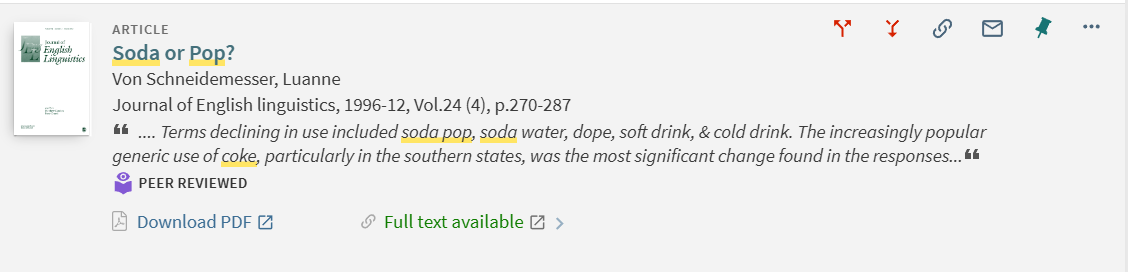
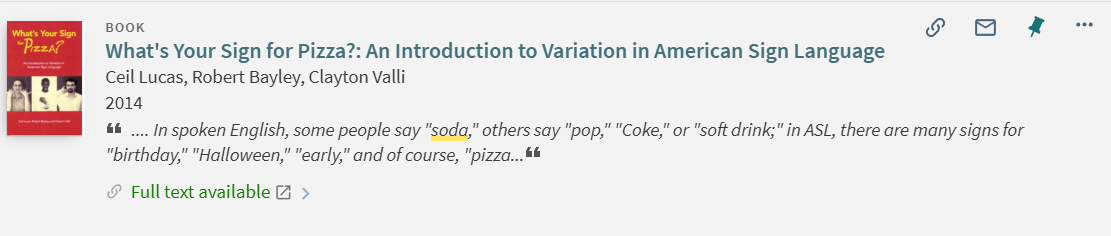
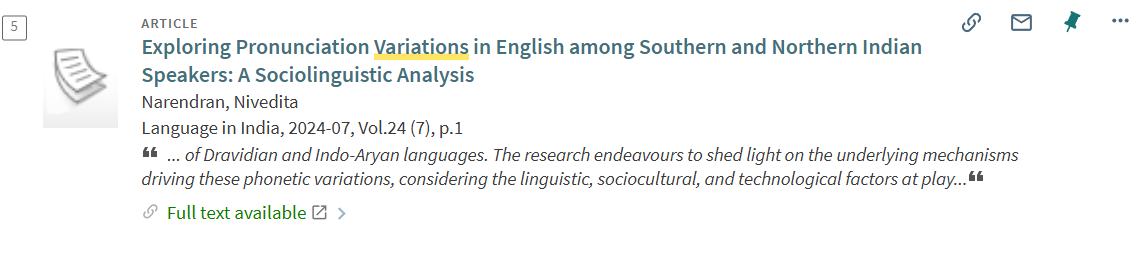
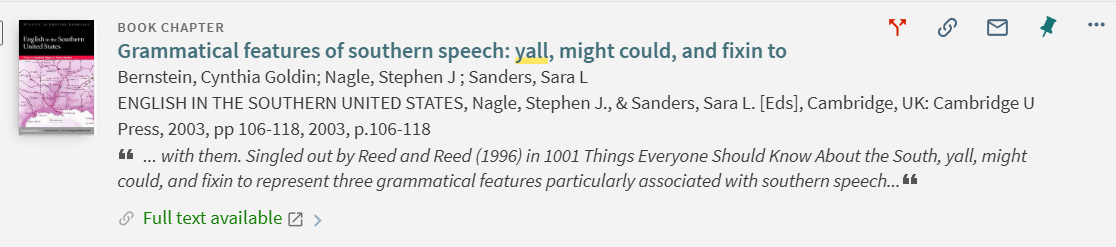
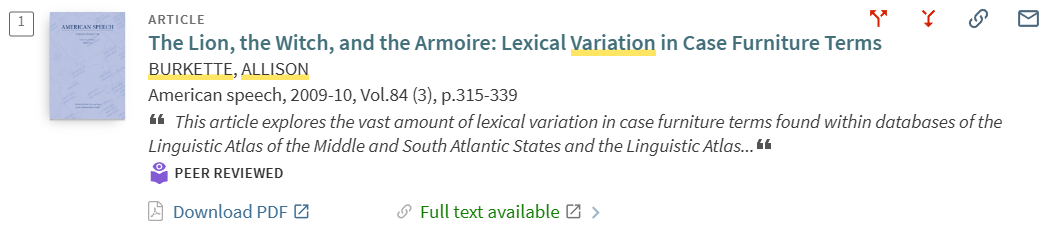
Based on previous research?

Practical & specific?

  • Practical
    • You can just ask people what they say!
    • Most people will have a word for this
    • Often differences are based on where people are from
  • Specific
    • “Where”
    • “Carbonated beverage”

Why do we care?

The way we speak says things about who we are (in this case: where we are from)

Showing that different ways of speech ≠ bad

If we understand other ways of speaking, we can communicate better

It’s interesting!

Class connections…

Midterm project: Collecting linguistic data

Final project: Analyzing linguistic data

Future lecture: discussion of regional variety in language

Echo Question: Is this regional map accurate based on where you’re from?

Media slide: https://www.youtube.com/watch?v=4HLYe31MBrg

In Conclusion

  • Linguistics research spans all different types of questions!
  • Asking good research questions means
    • Connections to previous research
    • Practical & specific topics
  • Looking at regions where people speak differently is one of many ways to answer a question about language
  • Being a good researcher = being curious

Coming up

Come to class Wednesday to discuss “What is a Word?”

Read Chapter 3 by Wednesday

Recitation Friday: Quiz 3 & a continuation of the transition to the nuts & bolts of linguistics

Future spotlight lectures: dive into methods of inquiry and finding linguistic sources